
News
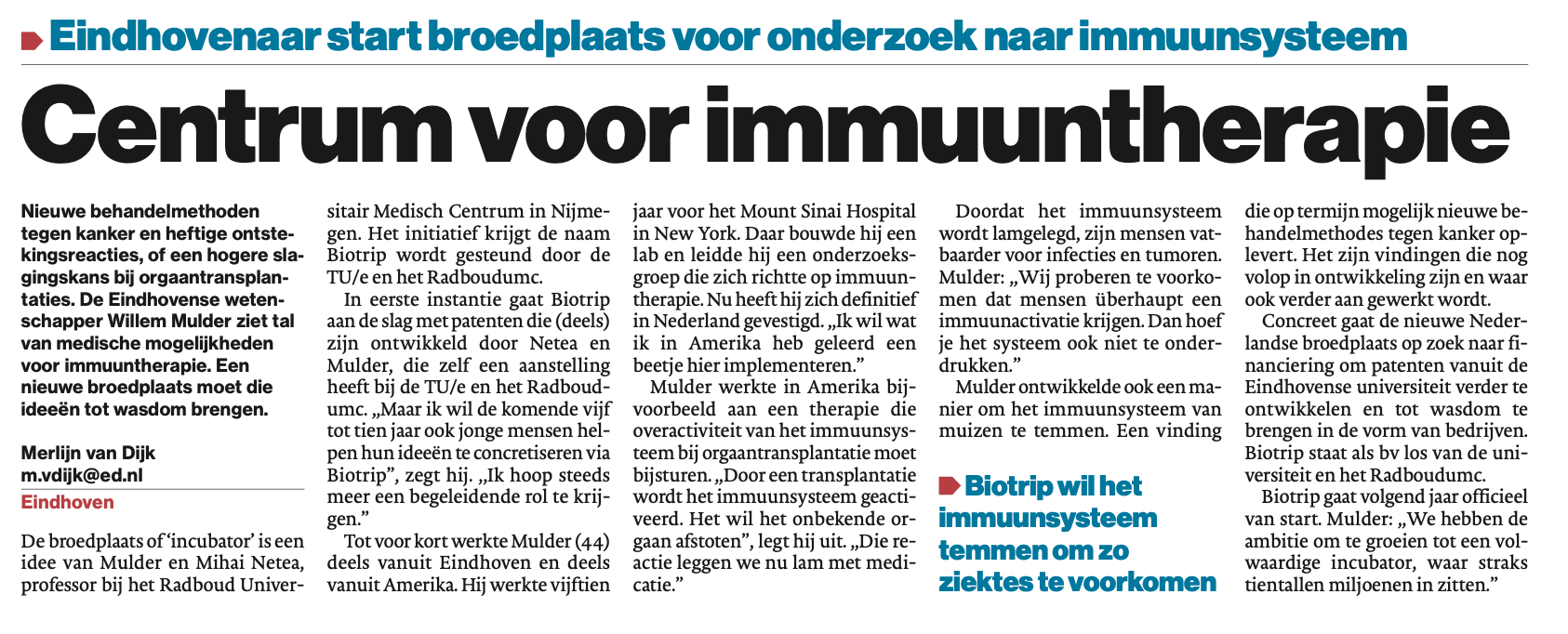
Eindhovens Dagblad – 30 juni 2021: Eindhovenaar start broedplaats voor onderzoek naar immuunsysteem (Dutch)
Nieuwe behandelmethoden tegen kanker en heftige ontstekingsreacties, of een hogere slagingskans bij orgaantransplantaties. De Eindhovense wetenschapper Willem Mulder ziet tal van medische mogelijkheden voor immuuntherapie. Een nieuwe broedplaats moet die ideeën tot wasdom brengen. See article > Online edition >
Read more >Articles
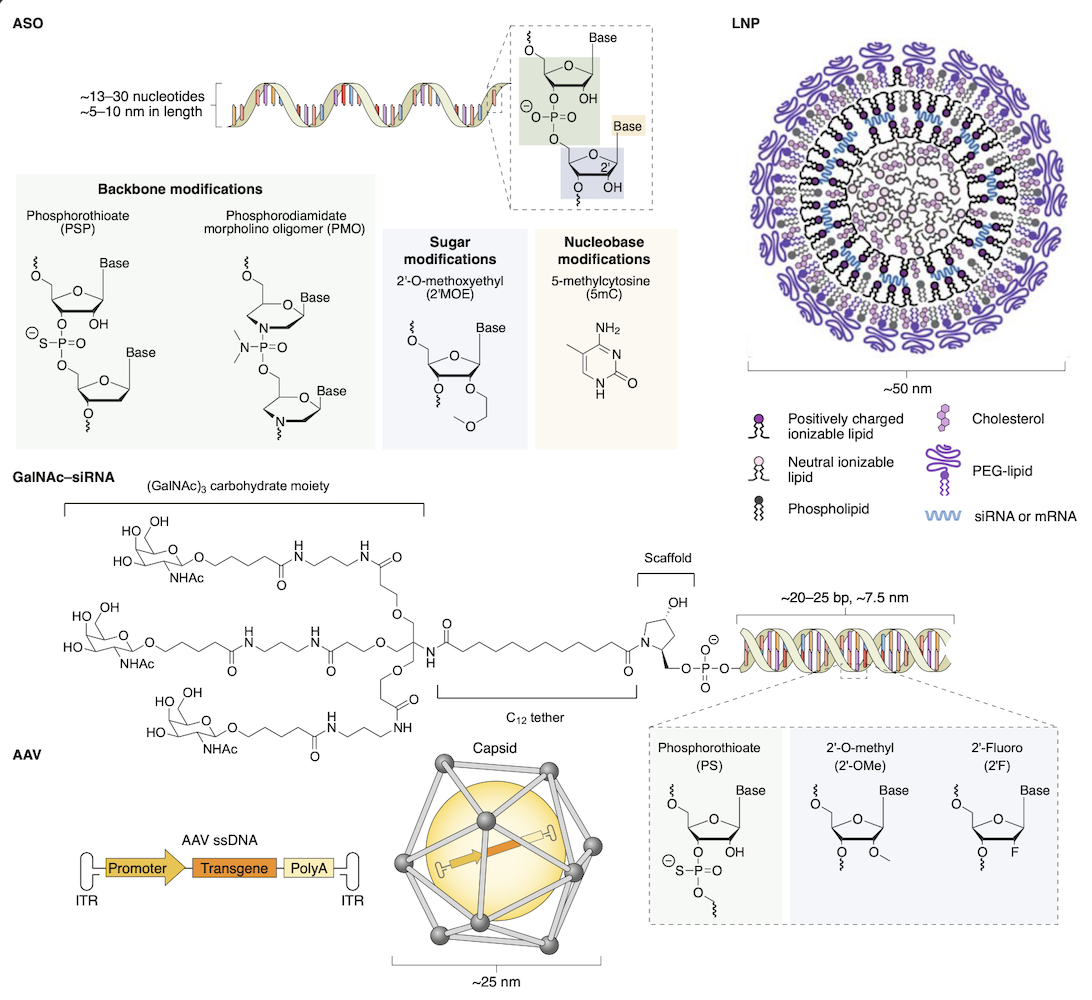
Nature Nanotechnology: Current landscape of nucleic acid therapeutics – 2021 – Kulkarni et al
The increasing number of approved nucleic acid therapeutics demonstrates the potential to treat diseases by targeting their genetic blueprints in vivo. Conventional treatments generally induce therapeutic effects that are transient because they target proteins rather than underlying causes. In contrast, nucleic acid therapeutics can achieve long-lasting or even curative effects via gene inhibition, addition, replacement or…
Read more >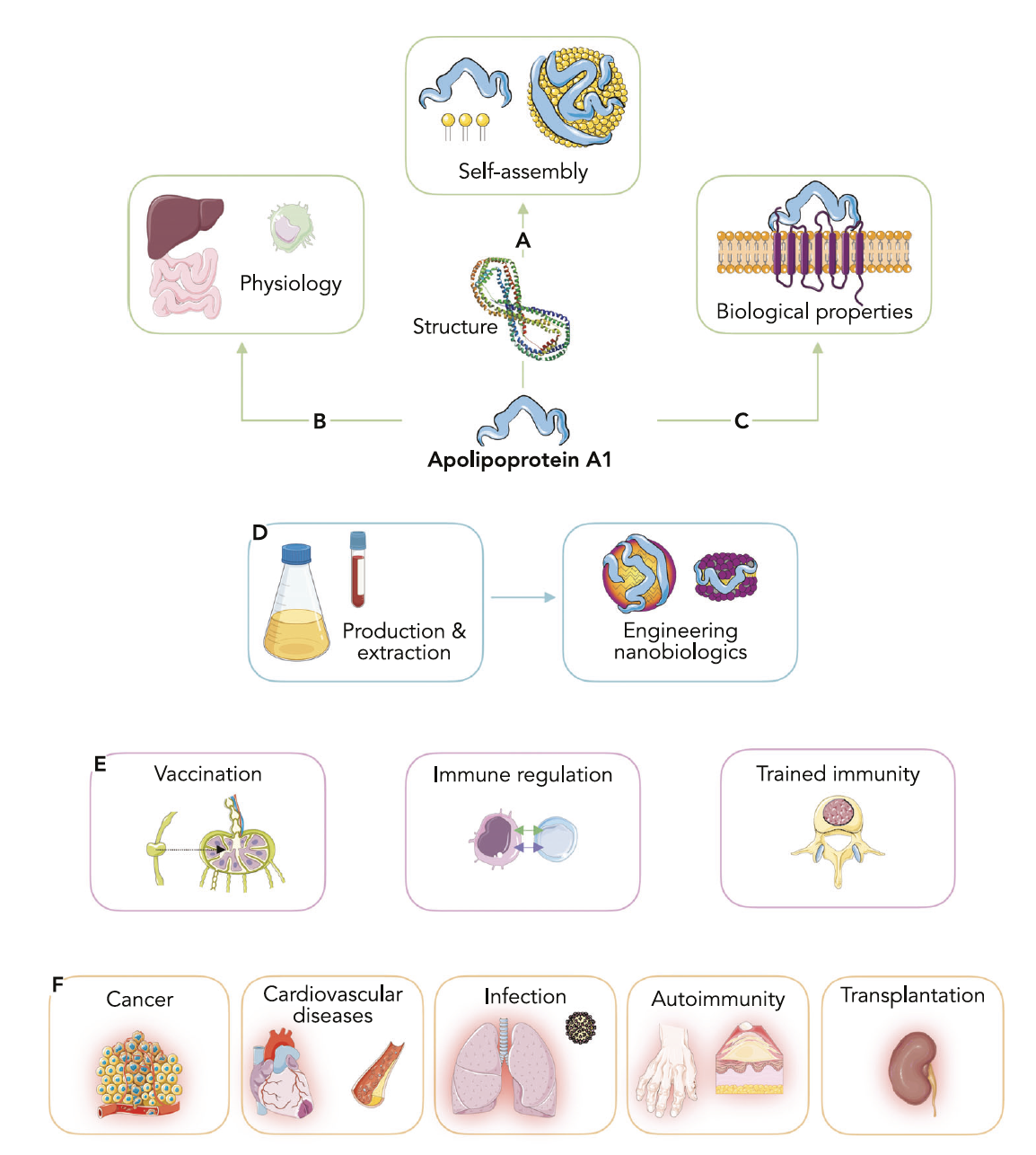
Advanced Therapeutics: Nanoengineering Apolipoprotein A1-Based Immunotherapeutics – 2021 – Schrijver et al
In the slipstream of targeting the adaptive immune system, innate immunotherapy strategies are being developed. In this context, technologies based on natural carrier vehicles that inherently interact with the innate immune system, are increasingly being considered. Immunoregulatory nanotherapeutics based on natural apolipoprotein A1 (apoA1) are discussed here. This protein is a helical, amphipathic macromolecule and the main…
Read more >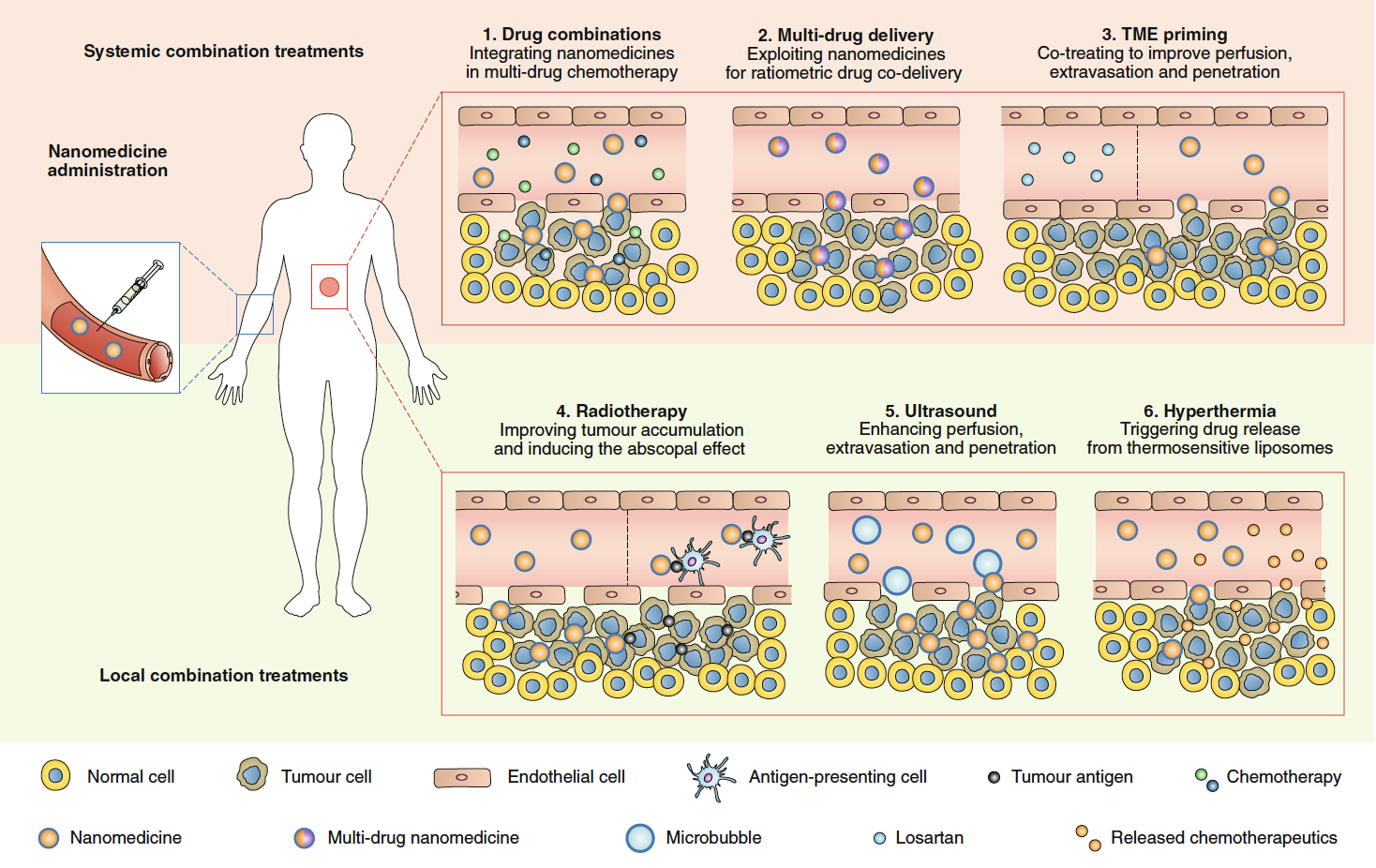
Nature Nanotechnology: Smart cancer nanomedicine – 2019 – v.d. Meel et al
Nanomedicines are extensively employed in cancer therapy. We here propose four strategic directions to improve nanomedicine translation and exploitation. (1) Patient stratification has become common practice in oncology drug development. Accordingly, probes and protocols for patient stratification are urgently needed in cancer nanomedicine, to identify individuals suitable for inclusion in clinical trials. (2) Rational drug…
Read more >